Recapping General Assembly #3 in Vienna: Turning Science into Action for Europe’s Wetlands
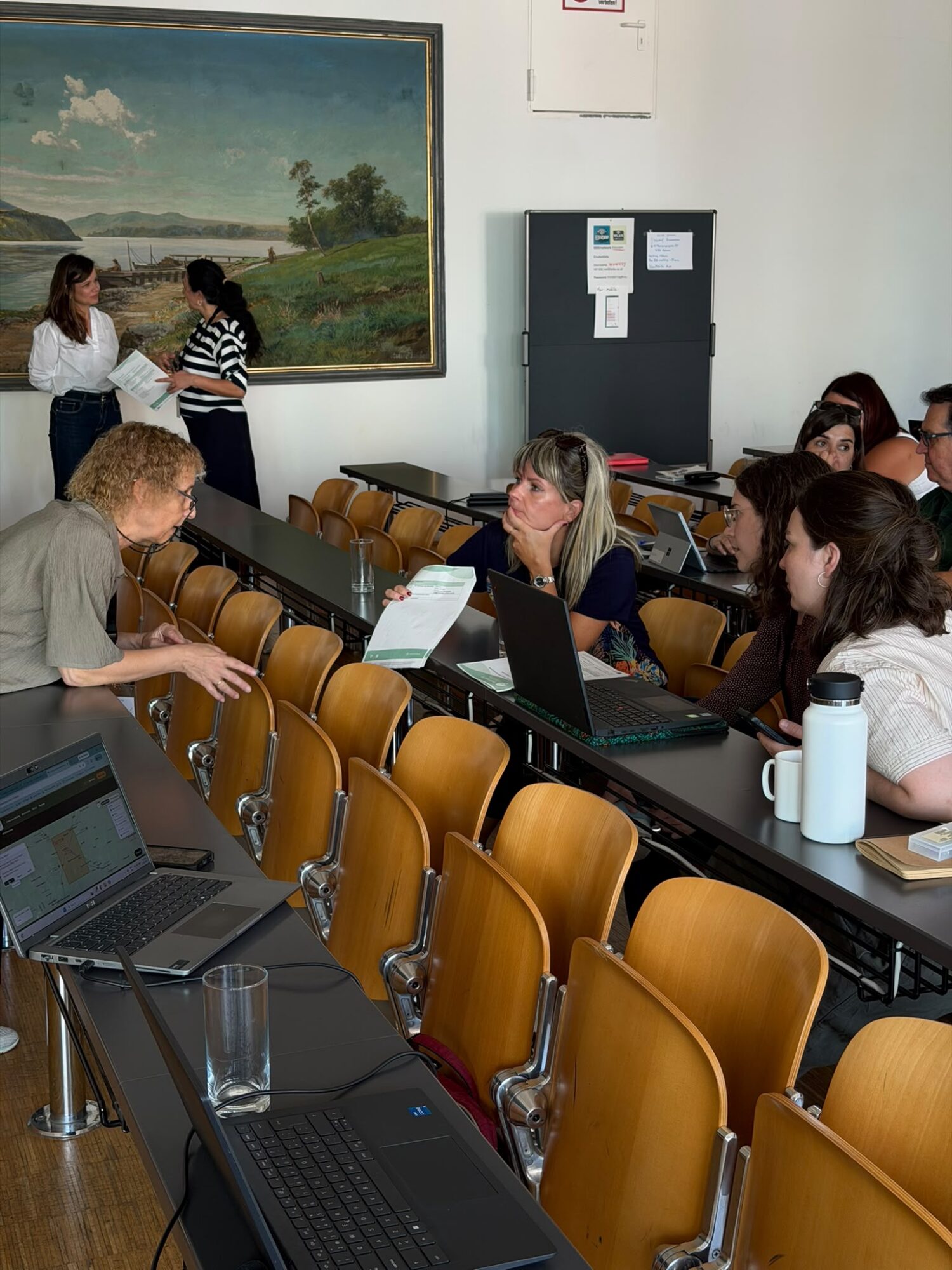
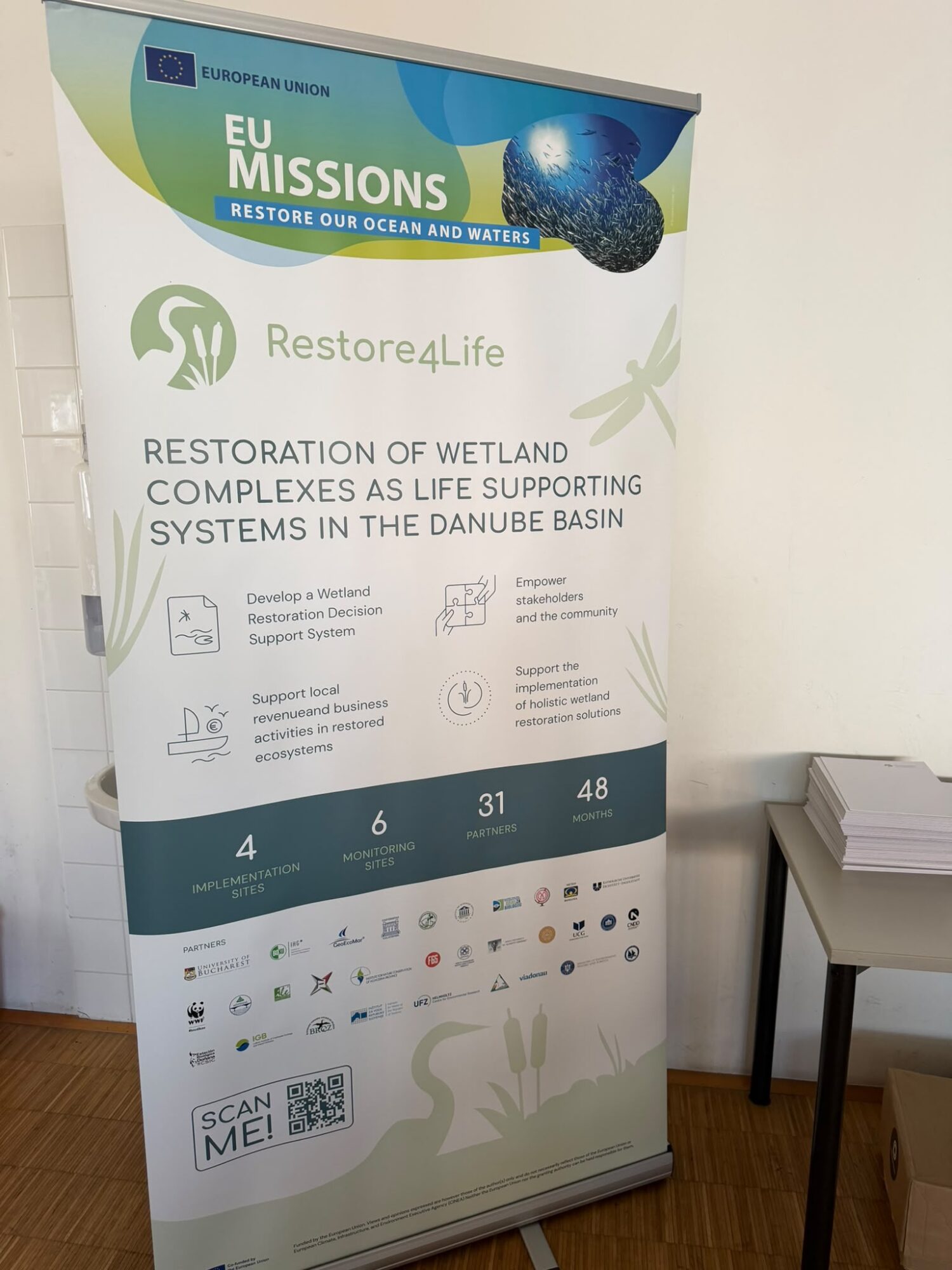
From 8–11 September 2026, the Restore4Life consortium gathered at BOKU University in Vienna, Austria, for our 3rd General Assembly. Bringing together researchers, site managers, regional partners, and restoration practitioners, this year’s meeting moved beyond traditional presentations to focus on interactive workshops, live digital tool testing, cross-site strategies, and field-based insights.
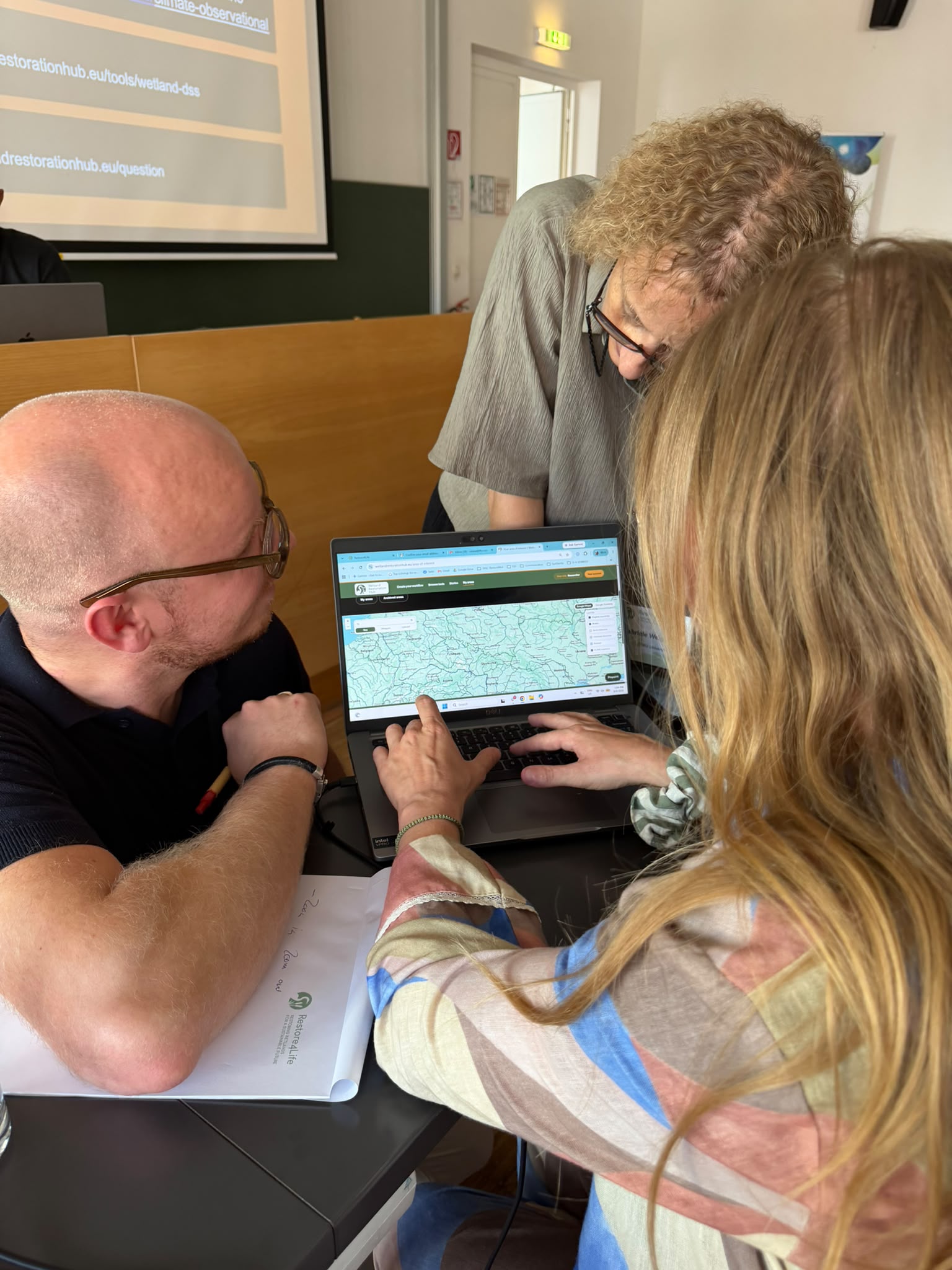
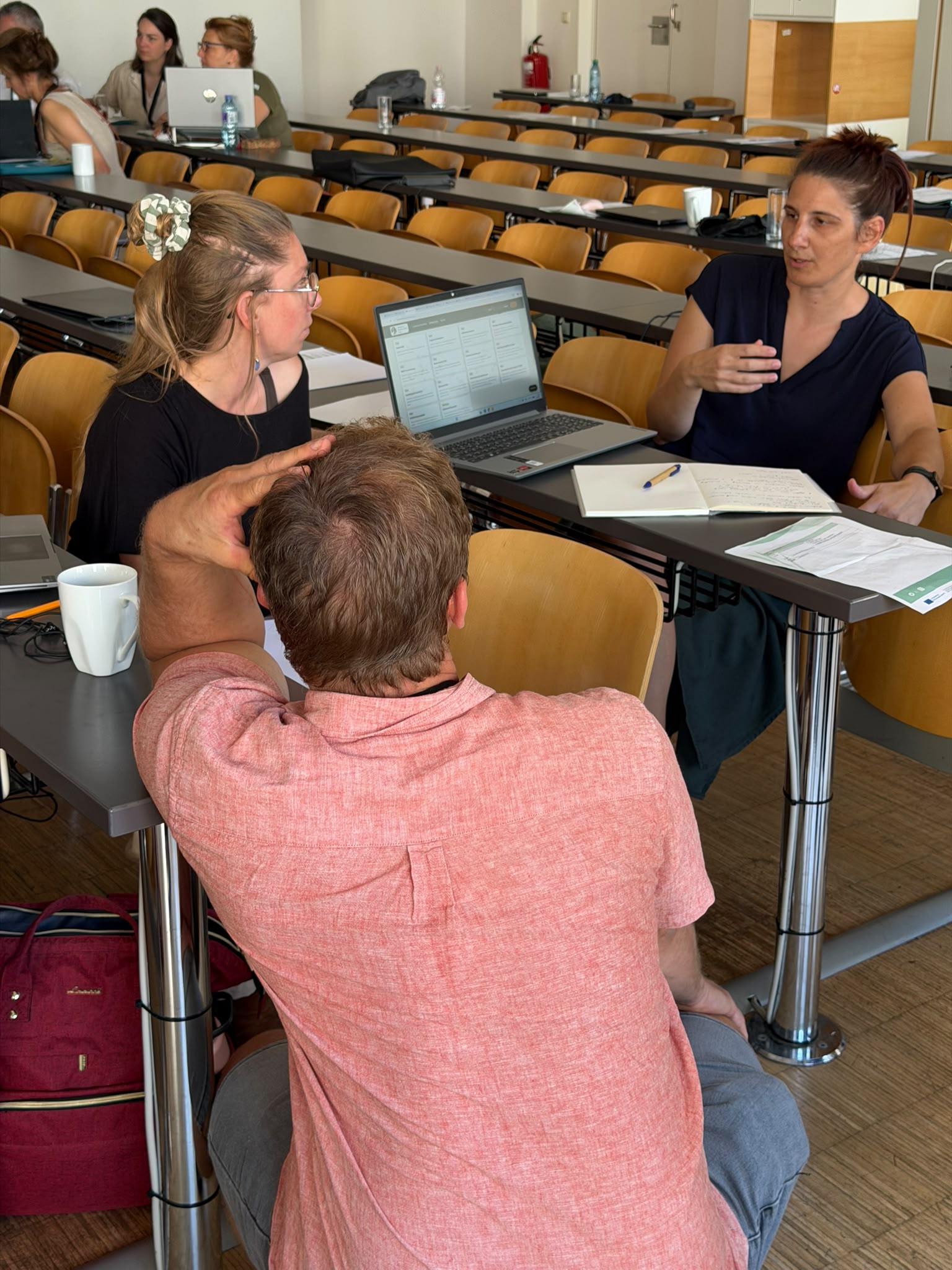
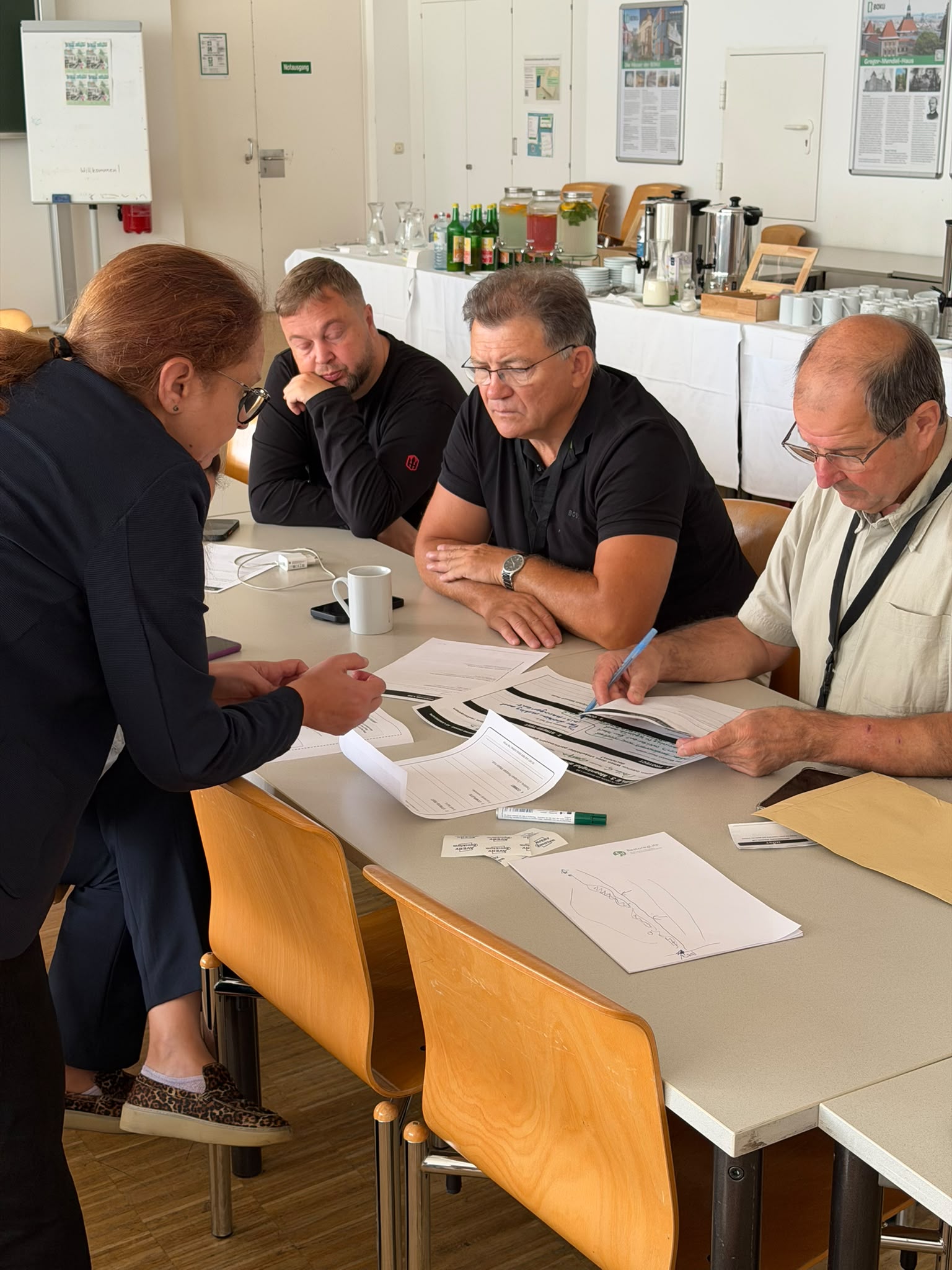
We kicked off Day 1 with a clear focus on testing and refining the core digital instruments within the Restore4Life Wetland Restoration Hub. Through dedicated breakout sessions, partners put the Climate Dashboard and Wetland Assessment tools to the test, while also reviewing our Decision Support System (DSS) and PESTLE analysis frameworks to evaluate key environmental, social, and governance factors. To ensure these digital tools deliver maximum practical value to local decision-makers, small groups spent the rest of the day mapping out specific user roles and tailoring optimized workflows for real-world application.
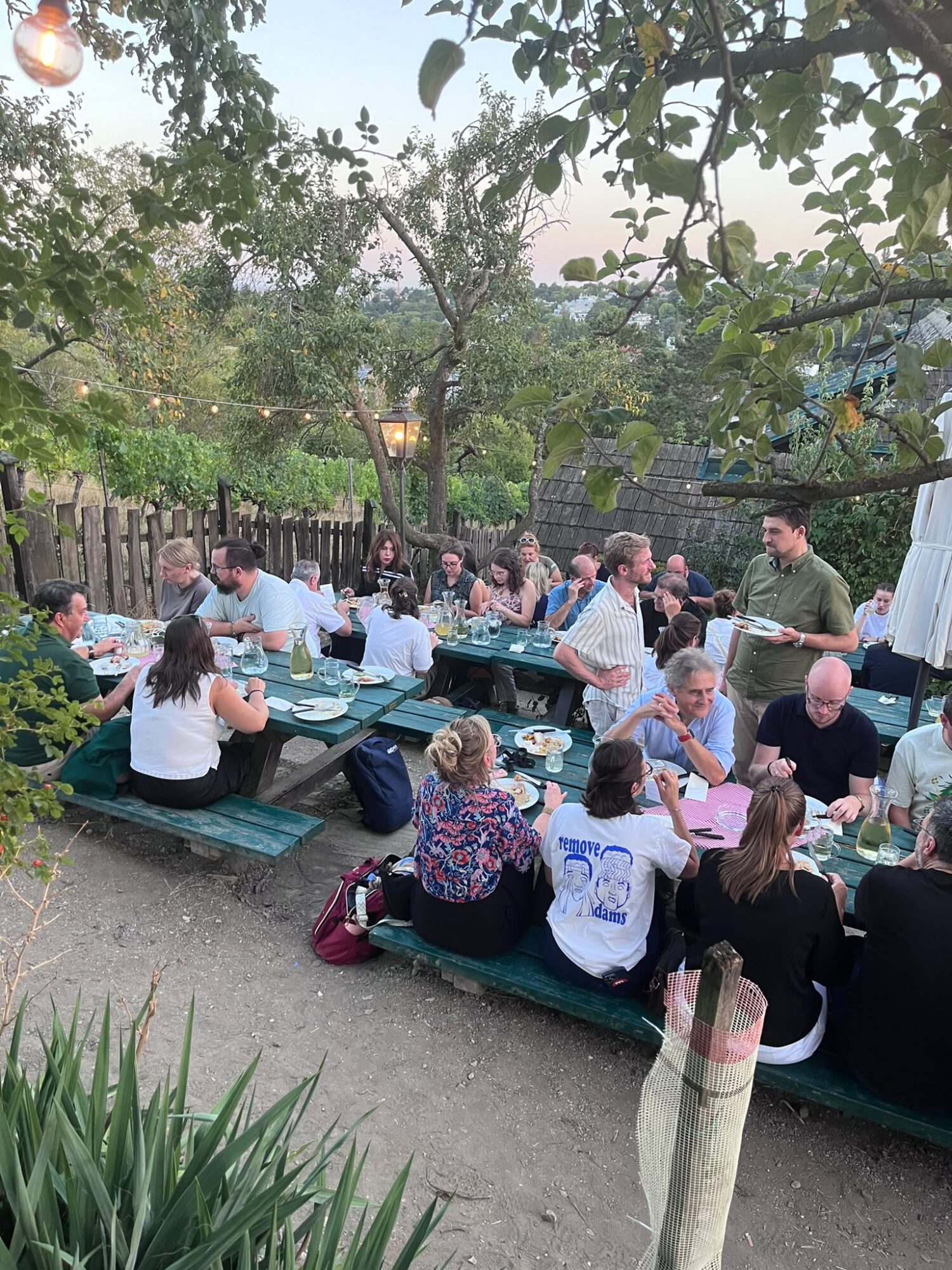
After a full day of testing, the consortium unwound together with a social dinner set against the scenic backdrop of a local vineyard, celebrating our shared progress and strengthening partner connections.
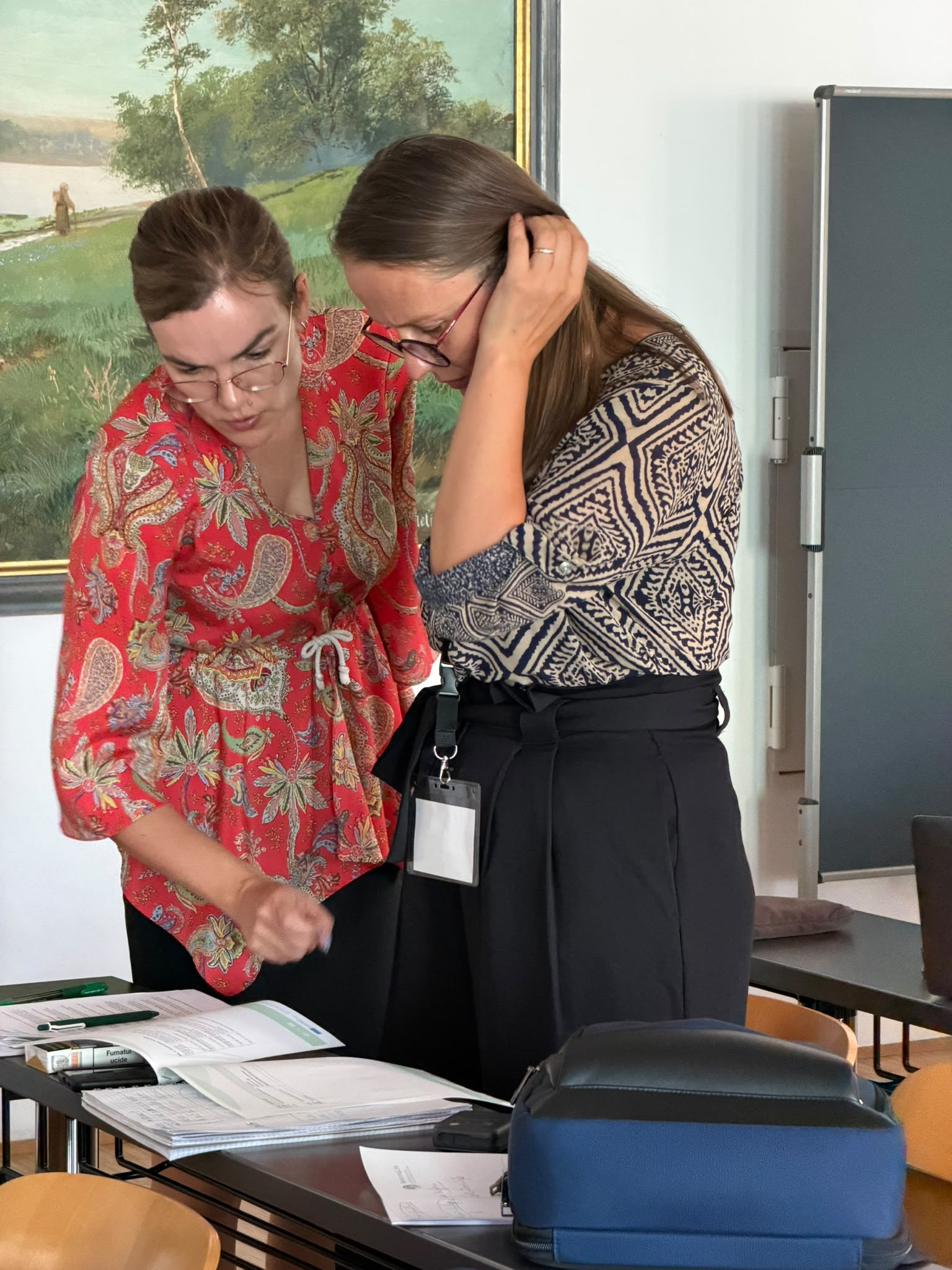
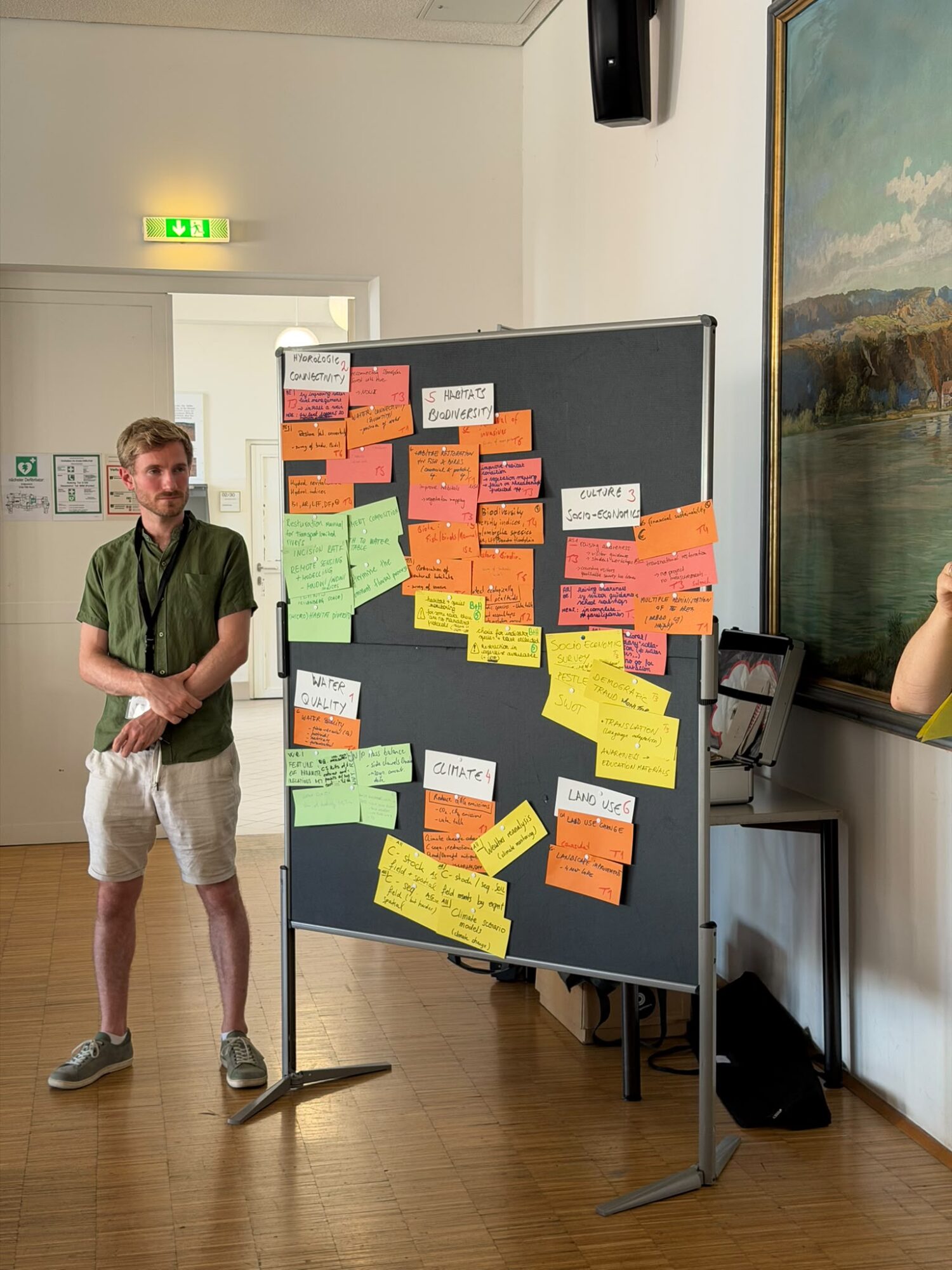
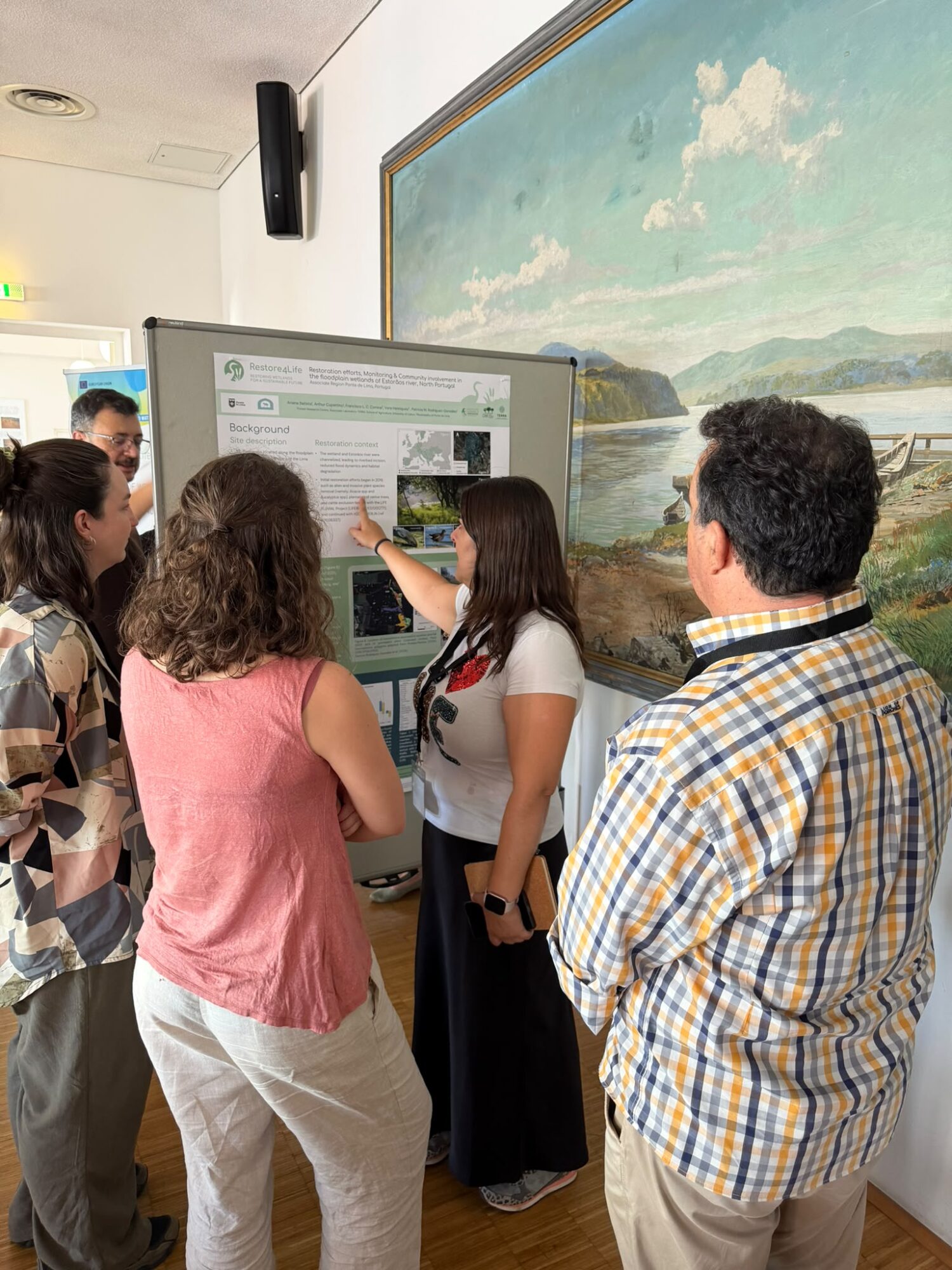
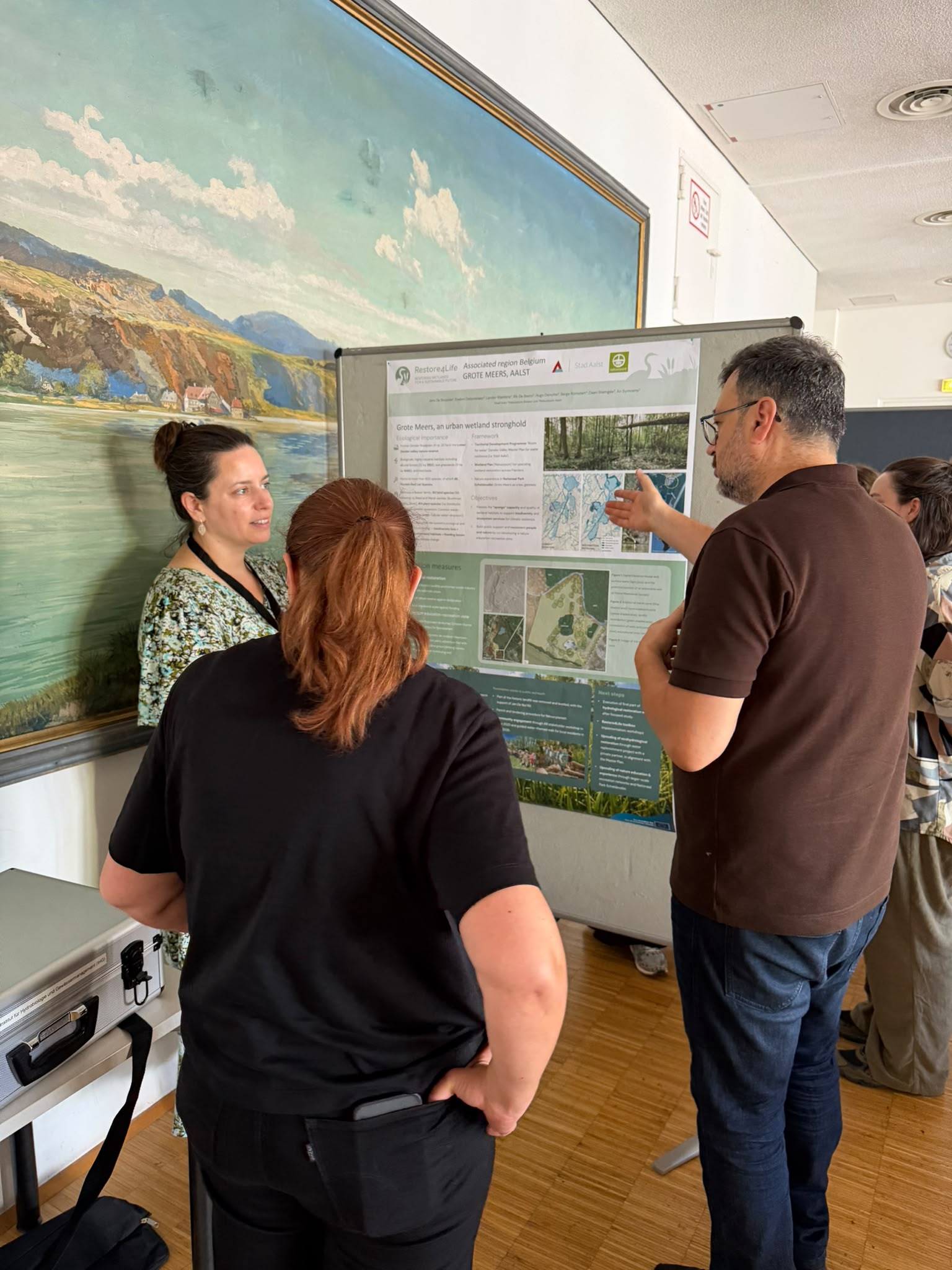
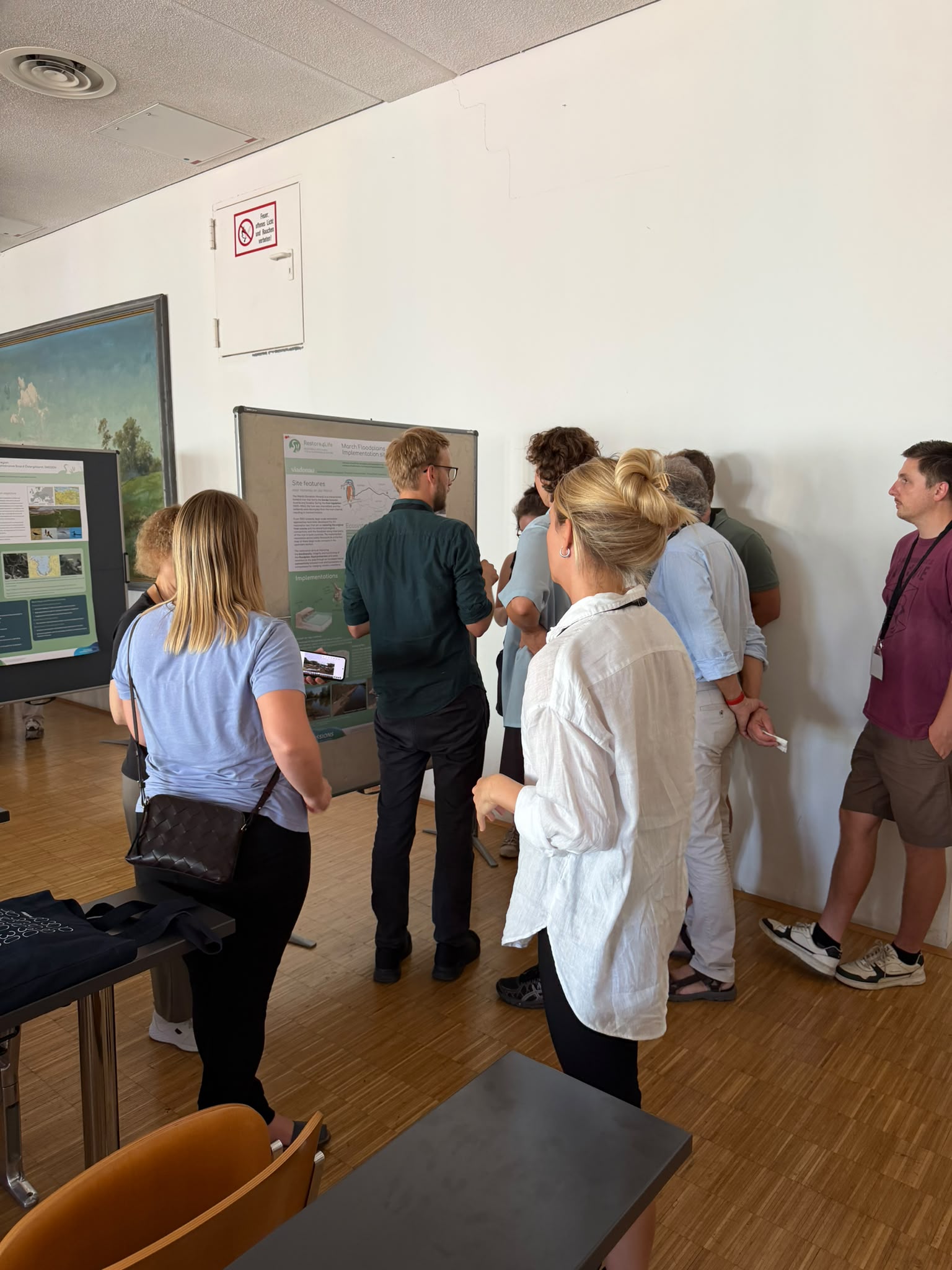
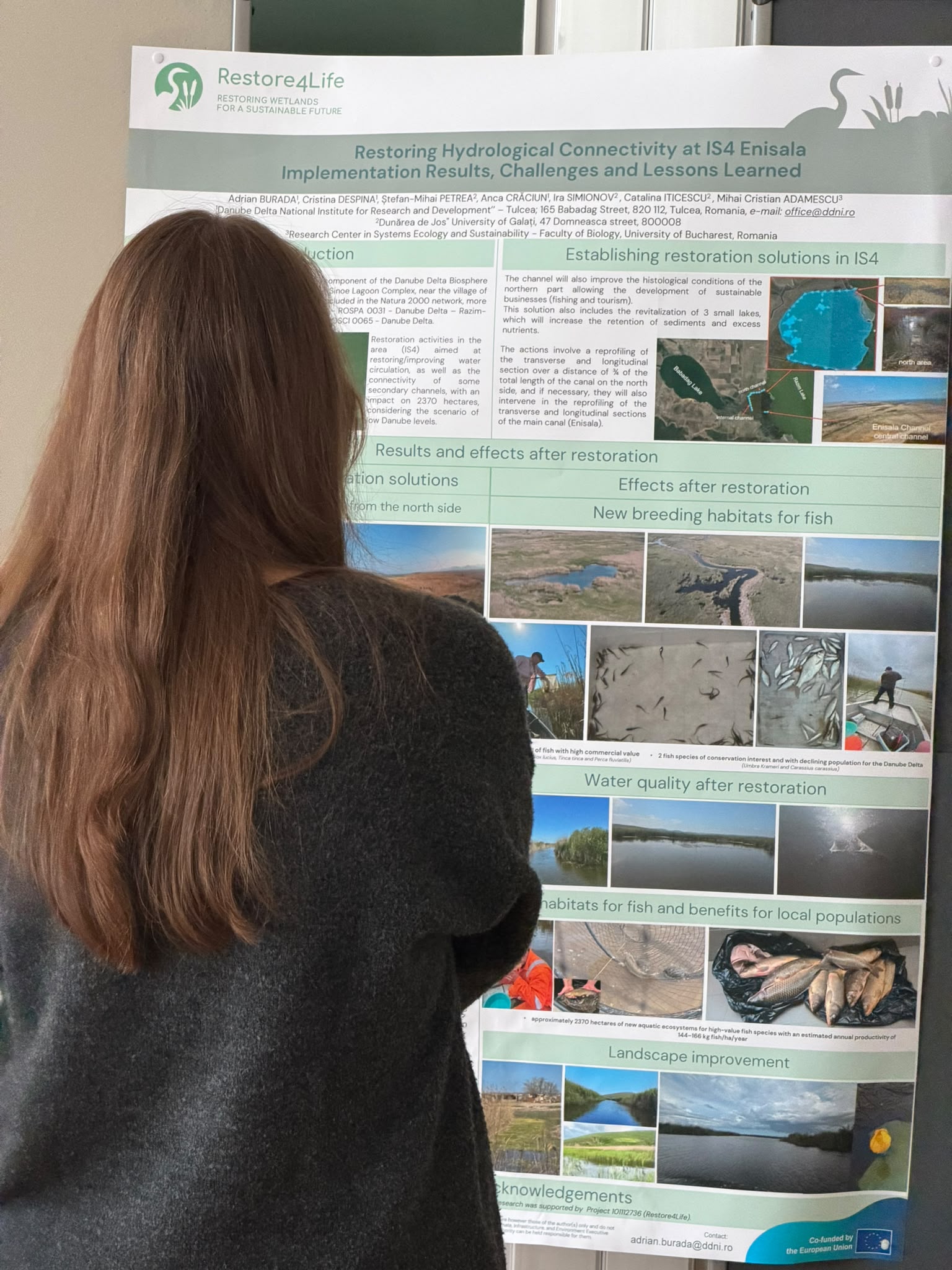
Day 2 shifted the focus toward evaluating restoration outcomes across our diverse project locations through structured, interactive collaboration. Using a World Café format, participants joined guided discussions to measure restoration success. First evaluating individual sites before analyzing broader trends across all project locations. Representatives from Associated Regions and Implementation Sites then showcased their latest progress through dedicated poster sessions, sharing regional insights and technical solutions. To wrap up the day, the consortium gathered for an official General Assembly plenary session to review overall project governance and align on key upcoming milestones.
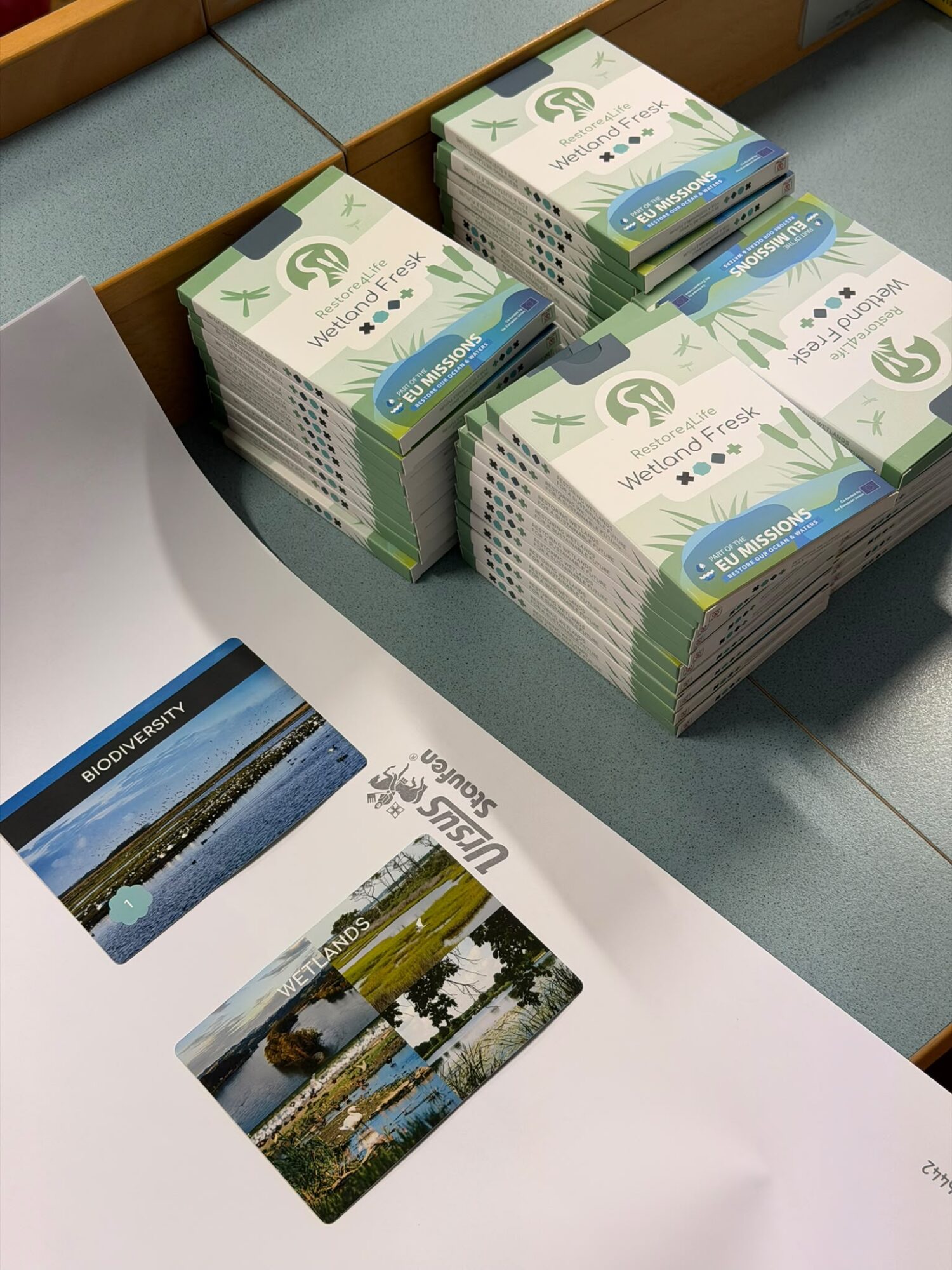
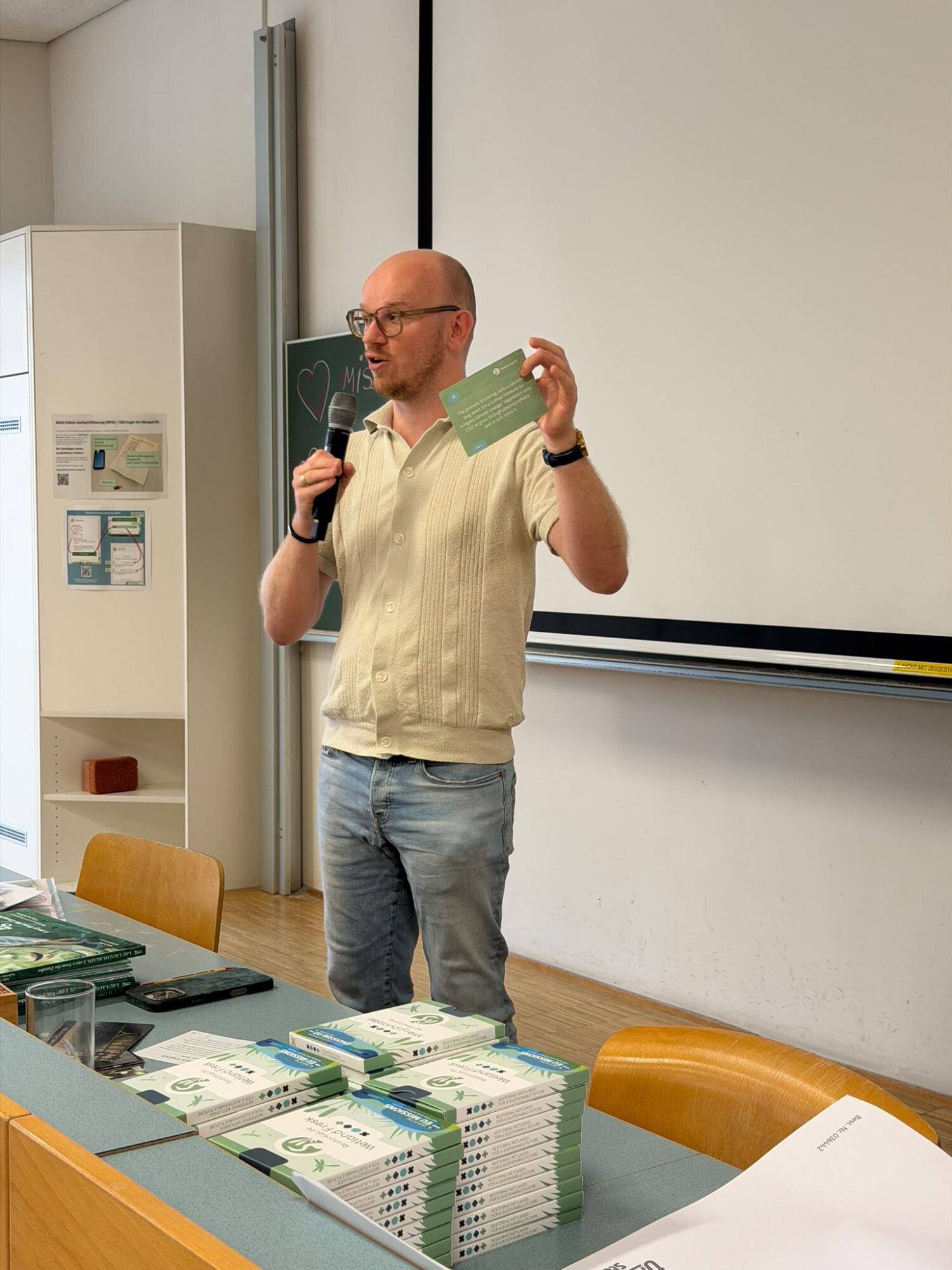
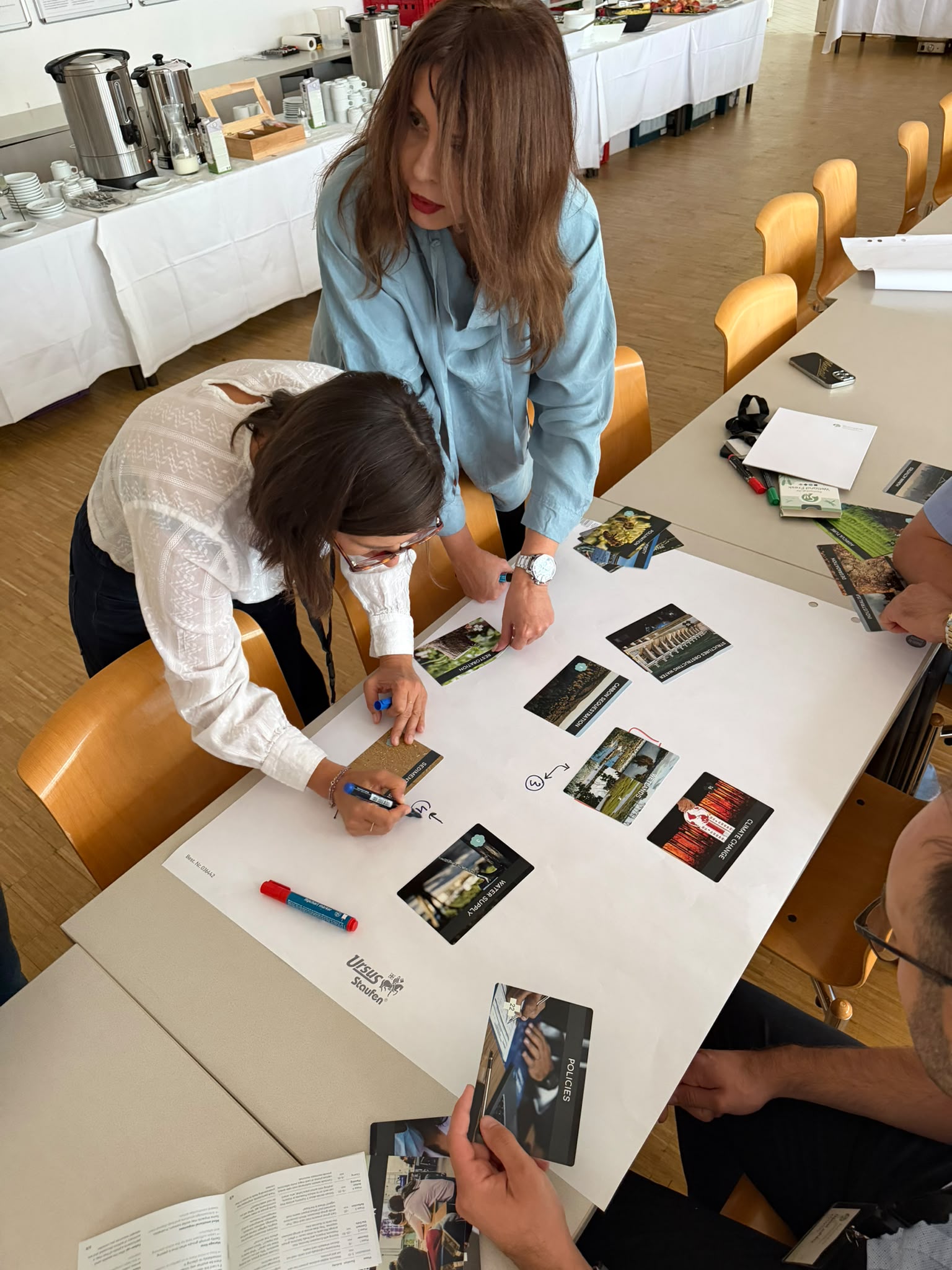
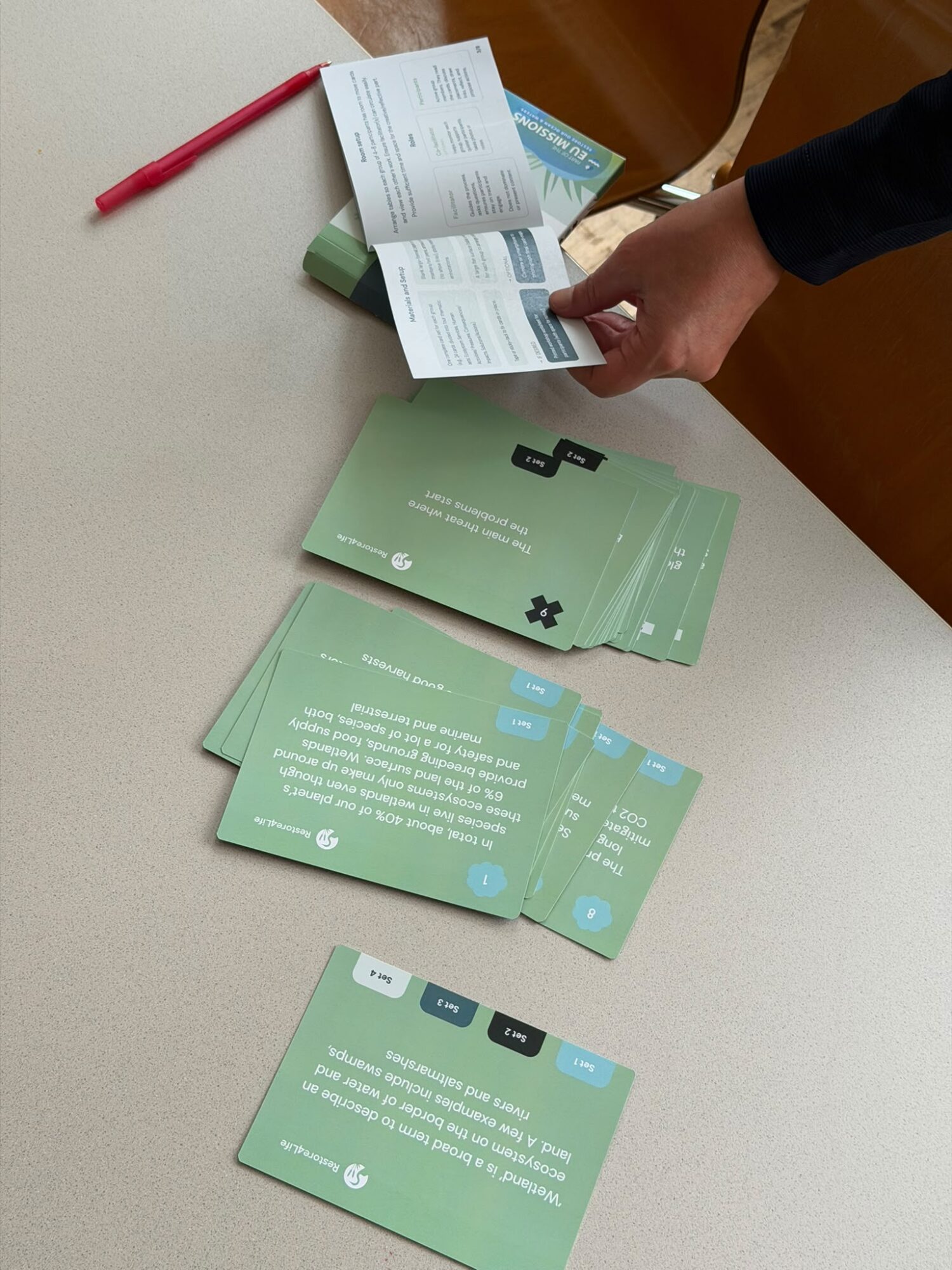
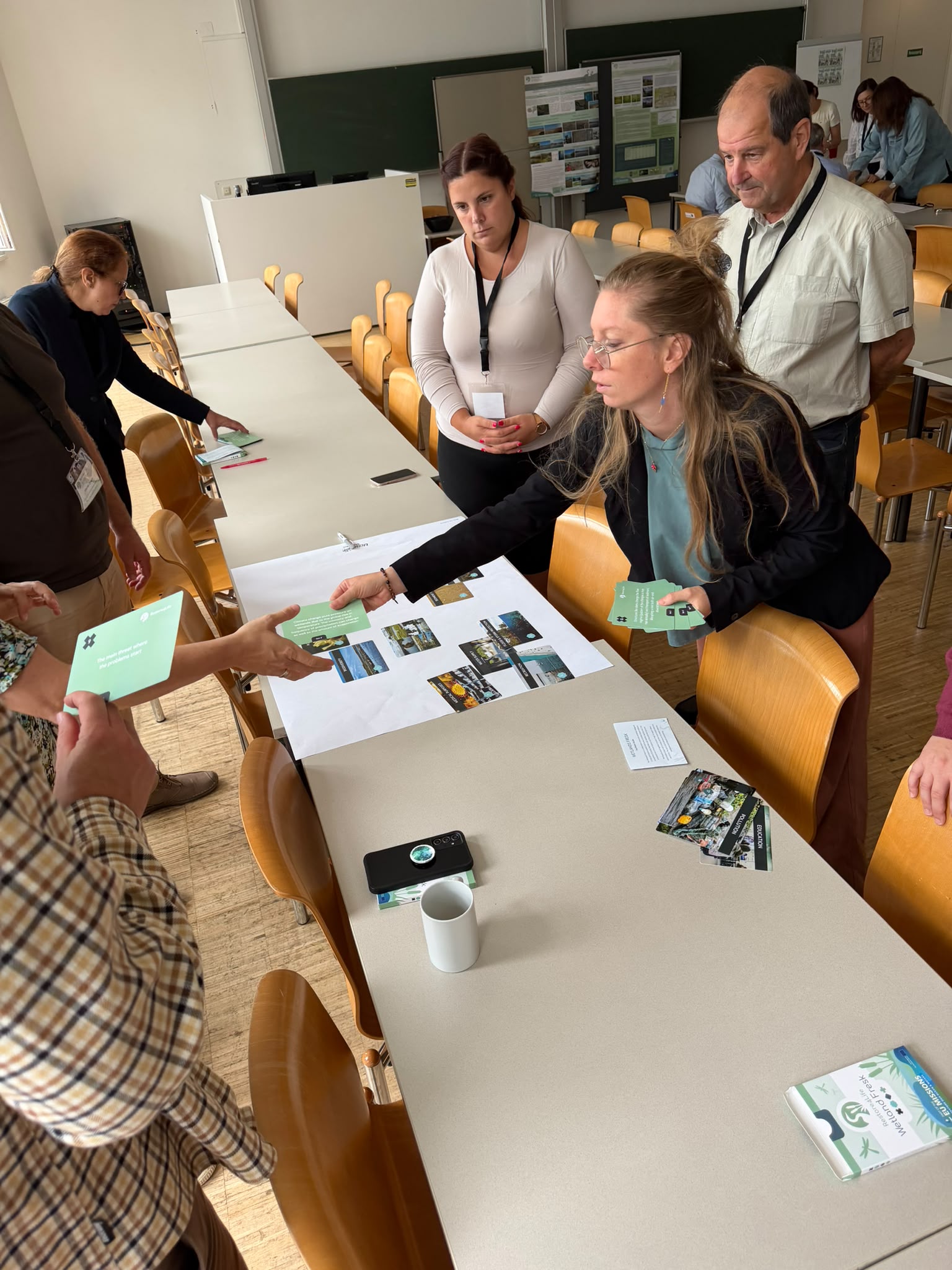
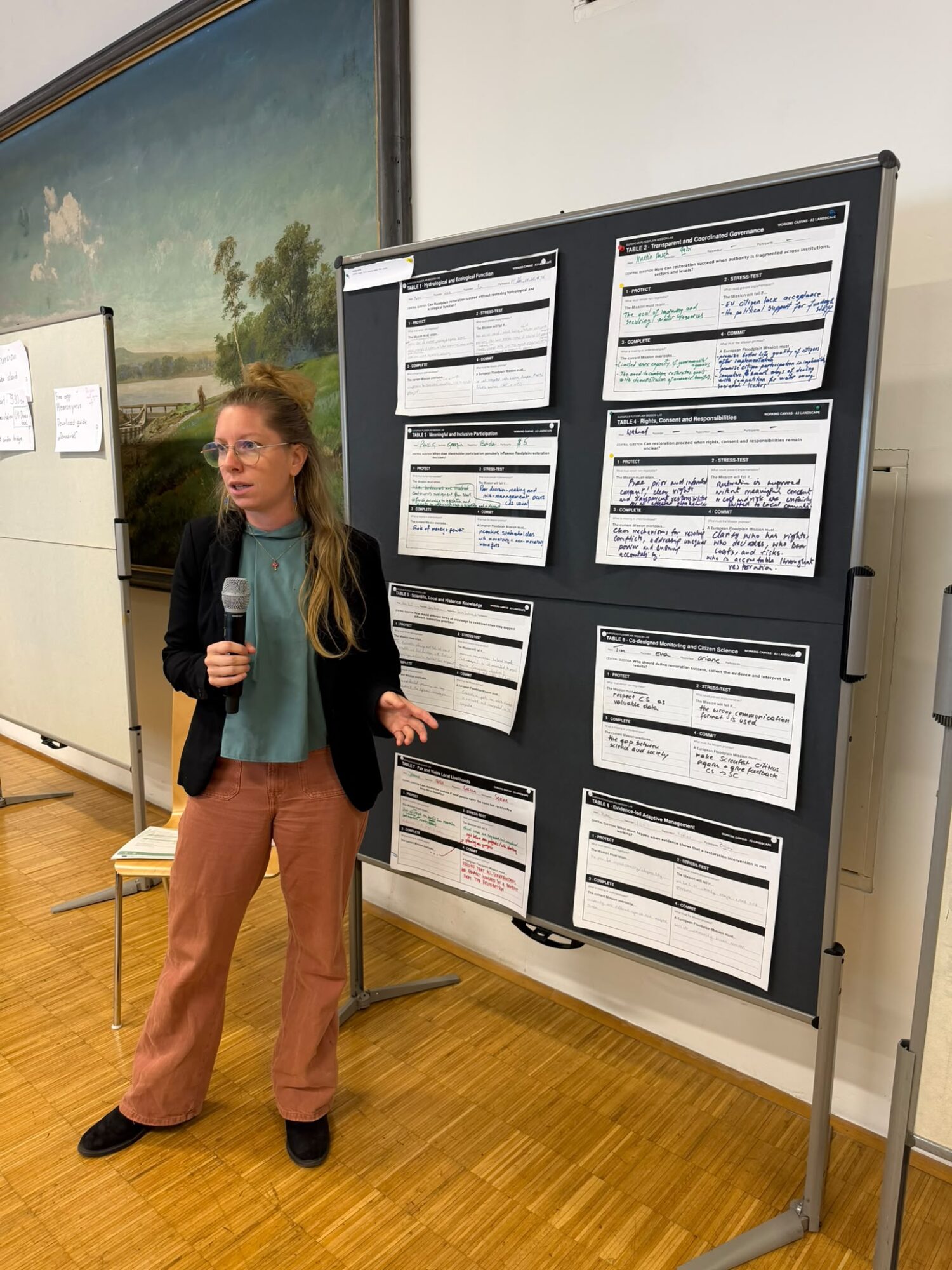
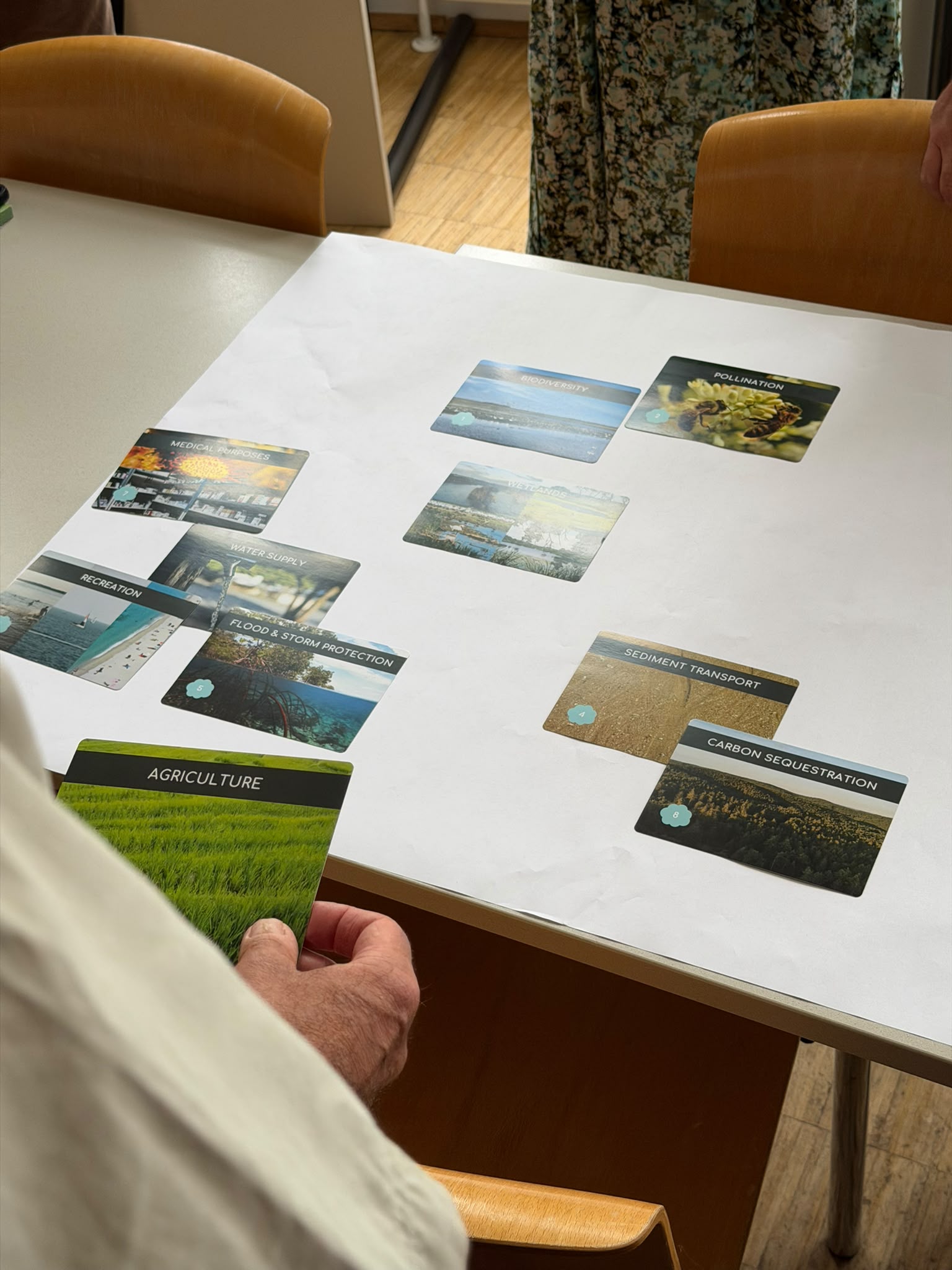
Our third day focused on community empowerment, educational outreach, and setting a clear direction for upcoming project outputs. Partners collaborated in a dedicated workshop on Deliverable D2.1 to advance a unified Mission Statement for Floodplain Management. During a dynamic marketplace session, participants tested educational toolkits, site monitoring frameworks, carbon sequestration manuals, and engaged in an interactive hour playing the Wetland Fresk cards game designed to make complex restoration concepts accessible and fun – check out the game and downloaded it to play here https://zenodo.org/records/20623121.
Finally, the team ran brainstorming sessions to map out publication storylines and assign tasks for upcoming scientific research papers.
To wrap up the assembly, the consortium stepped out of the workshop room and onto the ground with a guided excursion to Vienna’s Danube Island. Exploring the local freshwater dynamics firsthand provided a tangible connection between our digital modeling tools and real-world river basin dynamics.
Looking Ahead, the 3rd General Assembly demonstrated that driving real impact for Europe’s inland waters requires combining science, digital innovation, and strong cross-border collaboration.
A big thank you to BOKU University for hosting an extraordinary week! Stay tuned as we continue refining our Wetland Restoration Hub and putting these tools into practice across our demonstration sites.